


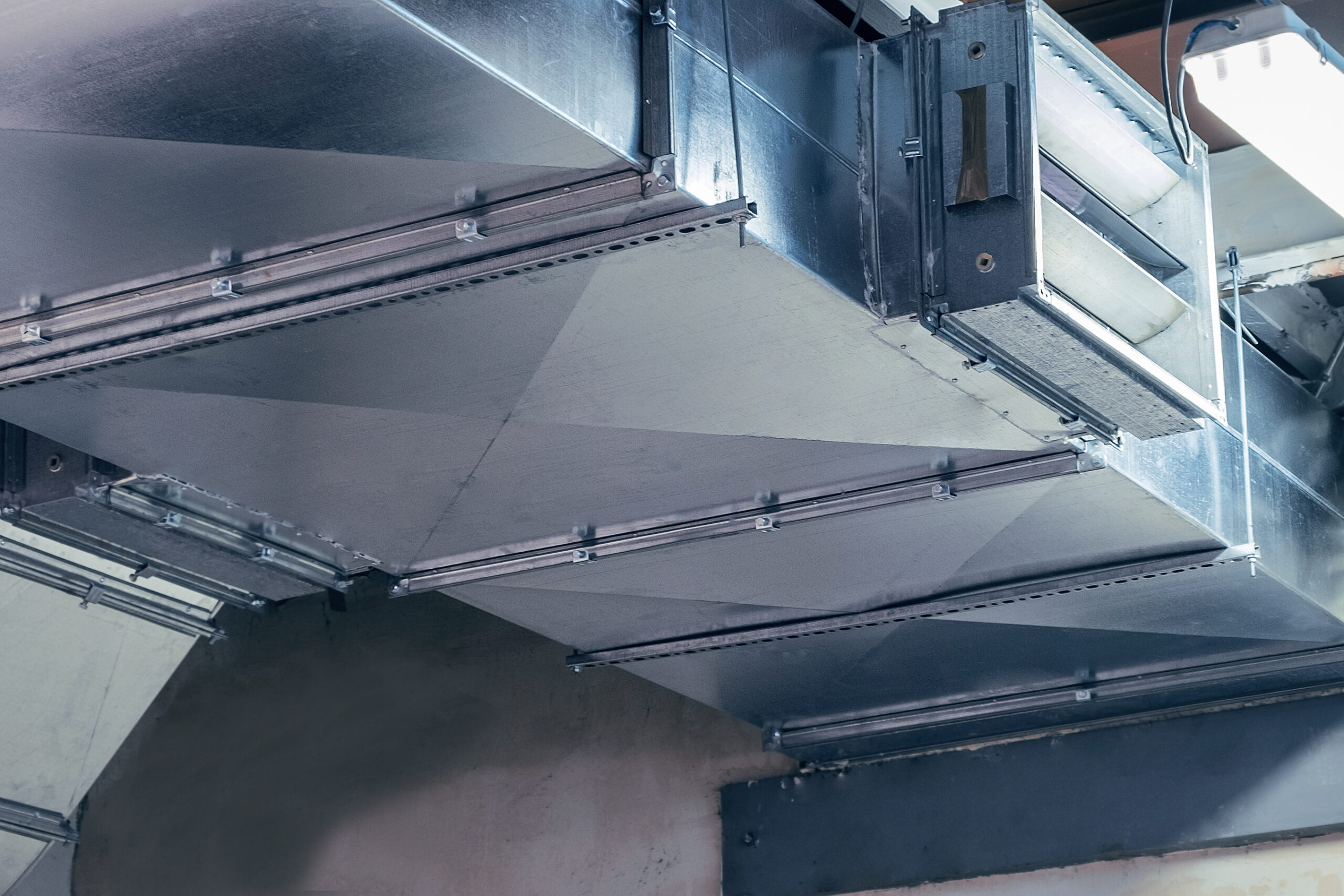
When installing a commercial or industrial ventilation system, the quality of the ductwork is just as important as the equipment responsible for moving the air. Poorly manufactured ductwork can contribute to air leakage, unnecessary energy consumption, increased noise and reduced system performance. This is why following recognised manufacturing standards is essential.
One of the most important specifications within the UK ventilation industry is DW/144. But what exactly does it cover, why does it matter, and how does it influence the manufacture of sheet metal ductwork?
At SEWS Ductwork Services Ltd, we specialise in manufacturing rectangular and bespoke ductwork for commercial, industrial and specialist ventilation projects throughout the UK. With more than 20 years of industry experience, we manufacture everything from standard straight ductwork to complex, made-to-measure fittings, working directly from your drawings, schedules and dimensions.
Our rectangular ductwork is manufactured in accordance with BESA DW/144, with construction selected to suit the specified duct dimensions, pressure classification and air-leakage requirements.
In this guide, we explore what DW/144 means, the importance of following its recommendations and what to consider when specifying sheet metal ductwork for your next project.
What is DW/144?
DW/144 is a recognised industry specification published by the Building Engineering Services Association (BESA). Its full title is Specification for Sheet Metal Ductwork, and it provides technical guidance for the design, manufacture and installation of sheet metal ductwork used in building services and ventilation systems.
The specification establishes consistent requirements for ductwork construction, helping manufacturers, designers, contractors and installers work towards agreed standards of quality and performance.
DW/144 covers several important aspects of ductwork, including material selection, sheet thickness, construction methods, reinforcement, joints, supports and air leakage. It also provides guidance for different duct shapes, including rectangular, circular and flat oval configurations.
The specification is particularly important because ventilation systems operate under different pressure conditions. A ductwork system serving a small commercial premises will not necessarily have the same construction requirements as one used in a large industrial facility. DW/144 helps establish appropriate construction requirements for these different applications.
The current publication is the third edition, originally published in 2016, with Version 2 incorporating an April 2024 addendum. It is important to check that project specifications refer to the appropriate current edition rather than relying on superseded guidance.
Although DW/144 is widely recognised across the UK building services industry, it is an industry specification rather than a standalone British or European Standard or piece of legislation. Its requirements may nevertheless become contractually important when referenced within project drawings, specifications or agreements.
For manufacturers such as SEWS Ductwork, following DW/144 provides a consistent framework for producing rectangular sheet metal ductwork that meets the requirements established for each project.
The Importance of DW/144 in Sheet Metal Ductwork Standards
Why does DW/144 matter so much when manufacturing and specifying ventilation ductwork? Beyond providing a common reference for the industry, it helps ensure that ductwork is constructed appropriately for its intended application.
From structural integrity to air leakage, there are several important reasons why the specification plays such a valuable role.
1. Consistent Manufacturing Quality
Consistency is essential when producing ductwork for commercial and industrial ventilation systems. Without agreed construction requirements, differences in materials, dimensions, fabrication techniques and assembly methods could result in inconsistent products.
DW/144 provides manufacturers with a recognised framework for determining appropriate construction methods. This helps ensure that individual components are produced according to the specified requirements, whether the order involves standard straight ductwork or more complicated bespoke fittings.
For contractors and clients, this consistency also makes it easier to understand what they are receiving and assess whether the manufactured components meet the agreed project specification.
2. Appropriate Material Selection
The materials used to manufacture ductwork have a direct influence on its durability, strength and suitability for different environments.
DW/144 provides guidance on appropriate sheet metal materials and their applications, helping ensure that the selected construction is suitable for the intended ventilation system.
Galvanised steel is commonly used for rectangular ductwork because of its practical combination of strength, durability and corrosion resistance. At SEWS Ductwork, our standard rectangular ductwork is manufactured using hot-dip galvanised steel to BS EN 10346:2015, Grade DX51D+Z275.
Where projects have additional requirements, such as a particular finish or material specification, these can be discussed before manufacturing begins.
3. Correct Pressure Classification
Not every ventilation system operates under the same pressure conditions. Some applications require low-pressure ductwork, while others need construction capable of handling considerably higher operating pressures.
DW/144 provides a framework for different pressure classifications, helping determine suitable construction requirements for the intended application.
The commonly referenced classifications include:
Class A: Low-pressure systems.
Class B: Medium-pressure systems.
Class C: High-pressure systems.
Class D: High-pressure systems.
Selecting the appropriate classification is important because duct dimensions, material thickness, reinforcement and joint construction must be suitable for the specified operating conditions.
At SEWS Ductwork, we manufacture rectangular ductwork for Class A, B, C and D applications, with construction selected according to the project requirements.
4. Improved Air Leakage Control
Air leakage is an important consideration when designing and manufacturing ventilation ductwork. If connections, joints or other parts of a system allow excessive air to escape, the ventilation equipment may need to work harder to deliver the required airflow.
This can contribute to increased energy consumption, reduced efficiency and difficulties maintaining the intended ventilation performance.
DW/144 addresses air leakage requirements and provides a framework for specifying acceptable performance. It helps manufacturers understand the importance of appropriate joints, connections and construction methods.
The required leakage performance should be established within the project specification, with the appropriate testing and verification arrangements agreed by the relevant project team.
5. Structural Strength and Durability
Ductwork must maintain its shape and structural integrity throughout its working life. Depending on its dimensions and operating conditions, sheet metal ductwork may be exposed to internal pressure, external forces, vibration and the weight of its own construction.
DW/144 provides guidance on construction, reinforcement and stiffening to help ensure ductwork is suitable for its intended application.
Correctly selected sheet thicknesses, joints and reinforcement help prevent excessive distortion and support the long-term reliability of the ventilation system.
This is particularly important for larger rectangular ductwork, where appropriate construction and reinforcement are necessary to maintain stability.
6. Better Coordination Between Project Teams
A ventilation project can involve several different professionals, including mechanical engineers, building services designers, ductwork manufacturers, contractors and installation teams.
DW/144 gives these parties a shared technical reference when discussing ductwork requirements. This can make it easier to communicate specifications, review drawings and identify potential issues before manufacturing starts.
Providing accurate information about dimensions, pressure classifications, materials and connections helps manufacturers produce components that fit the wider system.
At SEWS Ductwork, we work from customer drawings, schedules and agreed dimensions, taking the time to understand project requirements before preparing a tailored quotation.
7. Greater Confidence in Project Performance
Ultimately, following an appropriate ductwork specification helps give everyone involved greater confidence in the quality and suitability of the finished installation.
Correctly manufactured ductwork supports the wider ventilation system by providing suitable airflow pathways, maintaining structural integrity and helping control air leakage.
It also provides a clearer basis for checking whether manufactured components meet the requirements set out in the project documentation.
DW/144 does not guarantee the performance of an entire ventilation system on its own. However, using it as part of a properly coordinated design, manufacturing and installation process helps establish a more reliable foundation.
What information is needed when ordering DW/144 Ductwork?
Providing the right information at the beginning of a project can make the manufacturing process considerably more straightforward.
Whether you need standard rectangular ductwork or a selection of bespoke fittings, manufacturers need sufficient details to understand exactly what is required.
Ideally, you should provide:
• Drawings and dimensions: Include the required duct sizes, lengths, shapes and connection details.
• Quantities: Specify how many sections and fittings are needed.
• Pressure classification: Identify whether the application requires Class A, B, C or D construction.
• Air-leakage requirements: Include any specified leakage class or testing requirements.
• Material requirements: Confirm whether galvanised steel or another specified material is required.
• Finishes: Include any powder coating or other finishing requirements.
• Delivery information: Provide the site postcode and required delivery date.
• Specialist requirements: Highlight any unusual operating conditions, fire-performance requirements or bespoke design details.
The more information you can provide, the easier it is to establish a suitable manufacturing specification and provide an accurate quotation.
If some details are not yet confirmed, it is still worth speaking to your ductwork manufacturer. An experienced team can help identify the information needed before production begins.
How can SEWS Ductwork help?
At SEWS Ductwork Services Ltd, we manufacture rectangular and bespoke sheet metal ductwork for commercial, industrial and specialist ventilation projects throughout the UK.
With more than 20 years of experience in the ventilation industry, we understand that every project has its own requirements. That is why we take a practical, tailored approach, working from your drawings, schedules and dimensions to manufacture components that suit your application.
Our manufacturing capabilities include:
• Straight rectangular ductwork.
• Bends and radius bends.
• Tapers and offsets.
• Square-to-round transitions.
• Transformations and bespoke fittings.
• Plenums and filter boxes.
• Spigot plates.
• Drip and condensate trays.
• Other made-to-measure ductwork components.
Our rectangular ductwork is manufactured in accordance with BESA DW/144, with construction selected to meet the specified dimensions, pressure classification and air-leakage requirements.
We also manufacture Firemac FM fire-resistant ductwork for applications such as ventilation, smoke extract, kitchen extract, pressurisation, car park extract and specialist fume extract systems. Applicable Firemac configurations can provide fire resistance of up to 240 minutes, subject to the selected system and its supporting test documentation.
As a UK manufacturer, we maintain direct control over our production processes, helping us provide reliable communication, knowledgeable support and practical advice throughout your order.
Whether you need one bespoke fitting, a batch of components or a larger ductwork package, contact our team today to discuss your requirements. We can also review urgent orders against our current production schedule and available capacity before confirming a realistic lead time.
In Conclusion: Building Better Ventilation Through Quality Ductwork
DW/144 plays an important role in maintaining consistent standards across the UK sheet metal ductwork industry. By providing recognised guidance on materials, construction, pressure classifications, reinforcement and air leakage, it helps manufacturers and contractors work towards reliable, appropriately specified ventilation systems.
However, the quality of the finished product also depends on choosing an experienced manufacturer who understands your requirements and takes care throughout the production process.
At SEWS Ductwork Services Ltd, we combine more than 20 years of ventilation industry experience with UK-based manufacturing, bespoke production capabilities and knowledgeable customer support. From standard rectangular ductwork to specialist fittings and Firemac FM fire-resistant systems, we are here to help with projects of all sizes. Contact us today!
FAQs
What does DW/144 stand for?
DW/144 is the designation of BESA’s Specification for Sheet Metal Ductwork. It is a recognised UK industry specification covering technical requirements for sheet metal ductwork used in ventilation and building services systems.
Is DW/144 a legal requirement?
DW/144 is an industry specification rather than legislation. However, it may form part of a contractual project requirement when referenced in drawings, specifications or agreements. Applicable building regulations and other legal requirements must also be considered separately.
What types of ductwork does DW/144 cover?
The specification covers rectangular, circular and flat oval sheet metal ductwork. It also addresses construction, materials, supports and other ductwork-related technical requirements.
What material is used for DW/144 ductwork?
Galvanised steel is commonly used for rectangular sheet metal ductwork. The appropriate material and thickness depend on the specified application, duct dimensions and construction requirements. SEWS Ductwork uses hot-dip galvanised steel to BS EN 10346:2015, Grade DX51D+Z275, for its standard rectangular ductwork.
Does DW/144 cover air leakage?
Yes. DW/144 includes air leakage requirements and provides guidance for establishing suitable ductwork performance. The required leakage performance should be identified within the project specification.
Does DW/144 cover fire-rated ductwork?
DW/144 is primarily concerned with sheet metal ductwork construction and does not independently establish the fire resistance of a fire-rated ductwork system. Fire-rated applications require an appropriate tested and documented system. SEWS Ductwork manufactures Firemac FM fire-resistant ductwork for specified applications.
Send us your drawings, dimensions or project schedule today. Contact SEWS Ductwork Services Ltd to discuss your requirements, explore our manufacturing capabilities and request a tailored quotation.